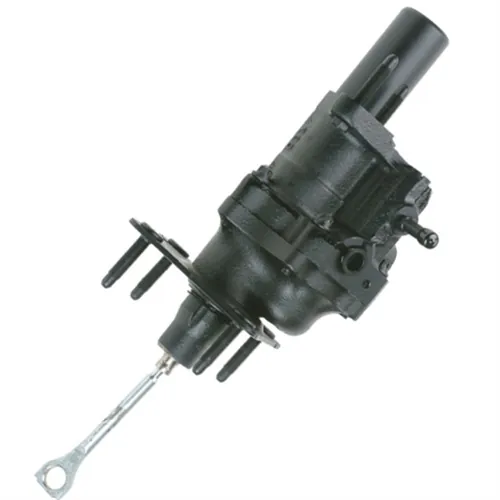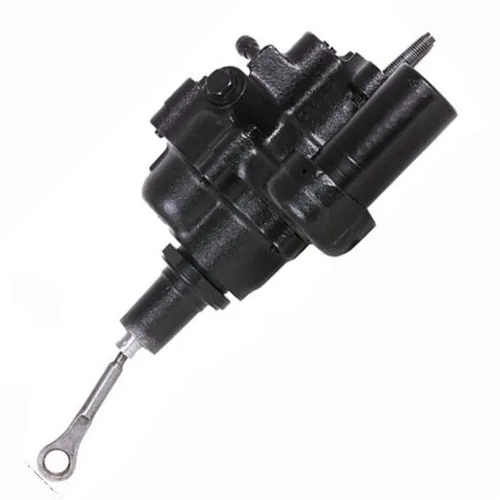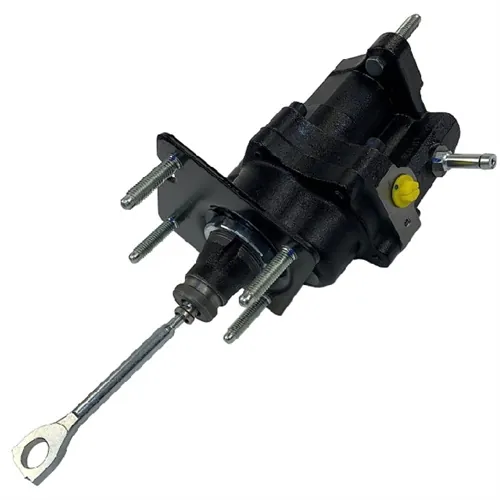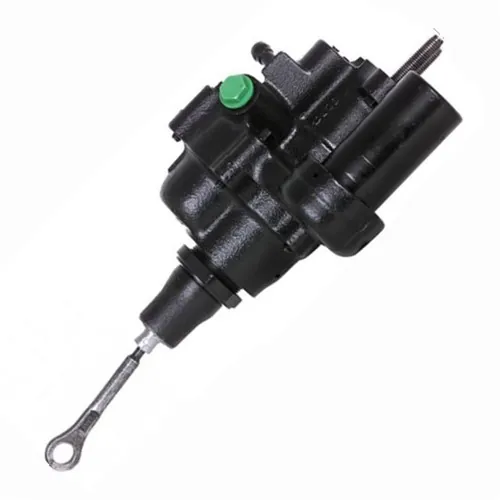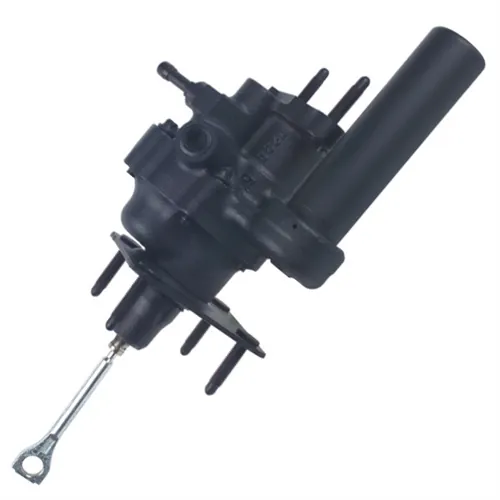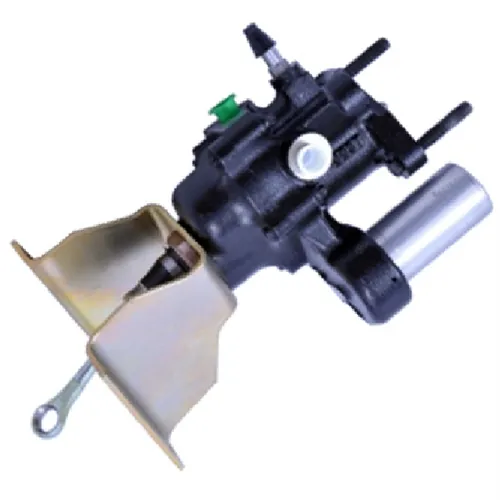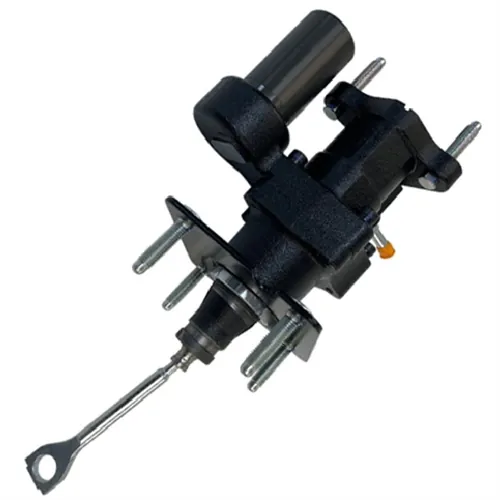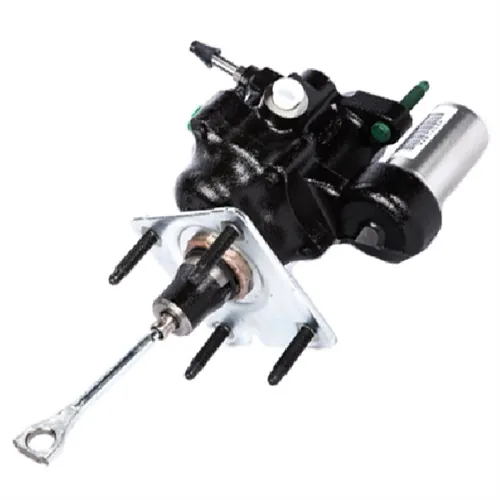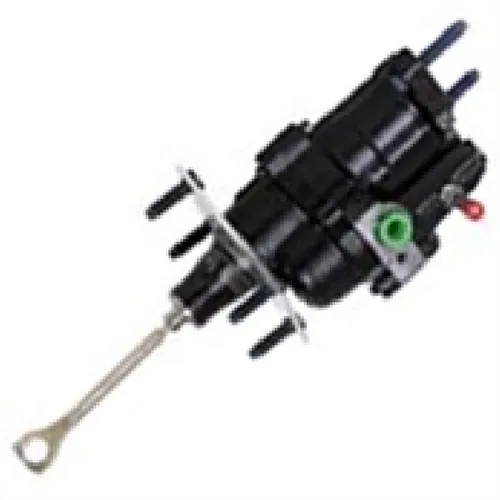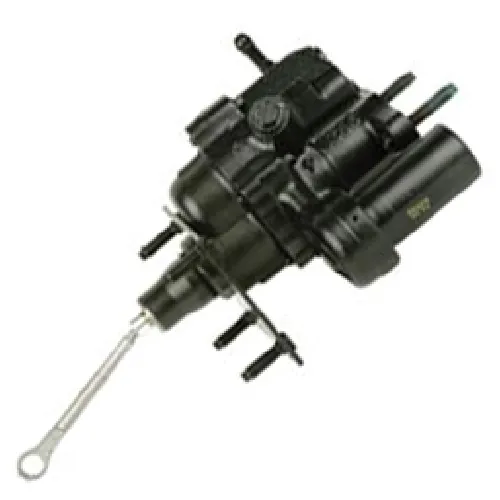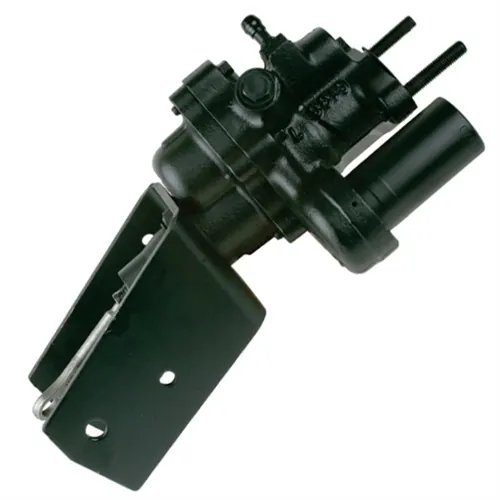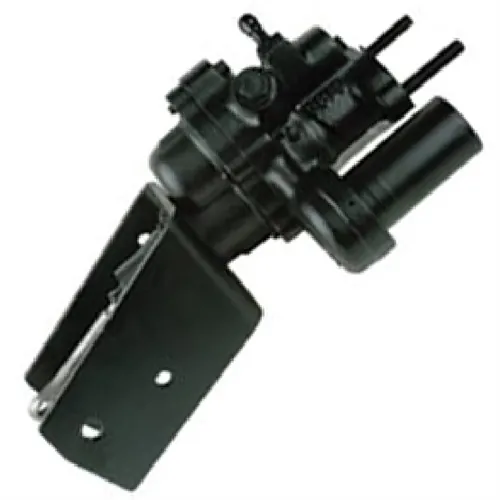
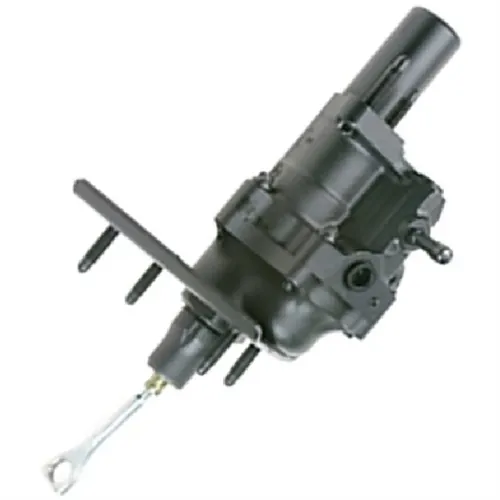
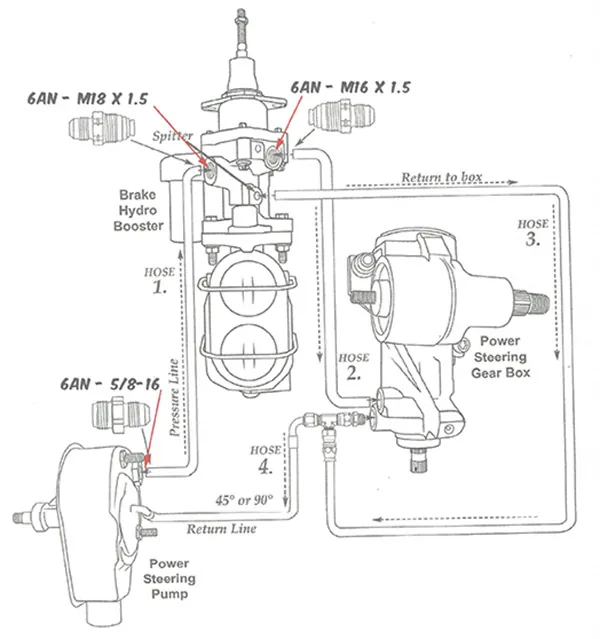
The hydraulic brake booster (hydro-boost) is part of a vehicle's braking system. It uses hydraulic pressure from the power steering pump or a separate hydraulic pump to amplify the force the driver applies to the brake pedal. When the pedal is depressed, hydraulic pressure increases, which increases the force applied to the master cylinder. This amplified force enables faster, more effective braking, especially when stopping suddenly or applying maximum braking force, and improves brake feel and response. The diagram below shows how it connects with the steering pump and gear box.
| Item | Value |
|---|---|
| Part Name | Hydraulic brake booster, Hydro-boost Units, Hydrobooster Frenos |
| Part Number | 19286753 |
| Make | Model | Year |
|---|---|---|
| Cadillac | Escalade | 2003-2006 |
| Chevrolet | Avalanche 1500 | 2003-2006 |
| Chevrolet | Suburban 1500 | 2003-2006 |
| Chevrolet | Suburban 2500 | 2003-2006 |
| Chevrolet | Tahoe | 2003-2006 |
| GMC | Yukon | 2003-2006 |
| GMC | Yukon XL 1500 | 2003-2006 |
| GMC | Yukon XL 2500 | 2003-2006 |
Differences and advantages compared with vacuum boosters
- Power source: The vacuum brake booster relies on engine-generated vacuum pressure to assist in depressing the brake pedal; hydraulic brake boosters use hydraulic pressure from the power steering pump.
- Performance: Hydraulic brake boosters generally provide better braking performance, with more consistent and reliable hydraulic pressure, a more consistent brake pedal feel and improved brake response.
- Brake assist: Compared with vacuum boosters, hydraulic brake boosters can provide more brake assist, which is especially beneficial on heavy vehicles or vehicles with larger engines that may require extra braking power.
- Engine vacuum dependency: Vacuum boosters need sufficient engine vacuum; a vacuum leak or insufficient vacuum can affect their performance. Hydraulic brake boosters are not dependent on engine vacuum, making them more reliable where engine vacuum may be insufficient.
Note: Try not to remanufacture or rebuild a used hydro-boost. Its internals are too precision-made — one hole inside is sealed by two metals alone, with no rubber seals. Used parts make the hole clearance bigger and overall dimensions may become out of tolerance, then cause a failure.