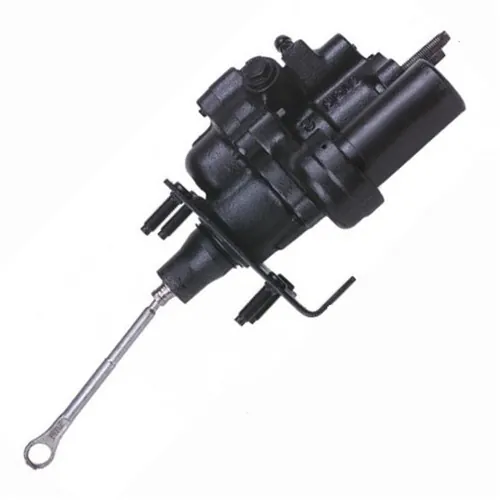
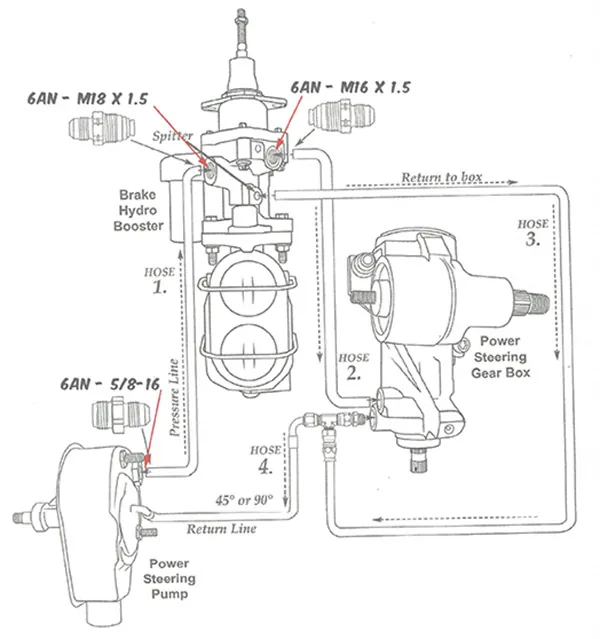
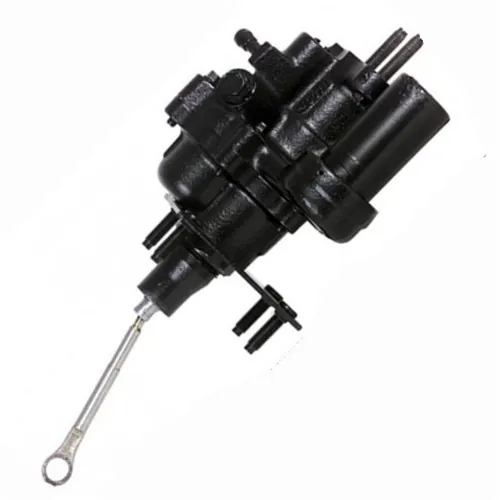
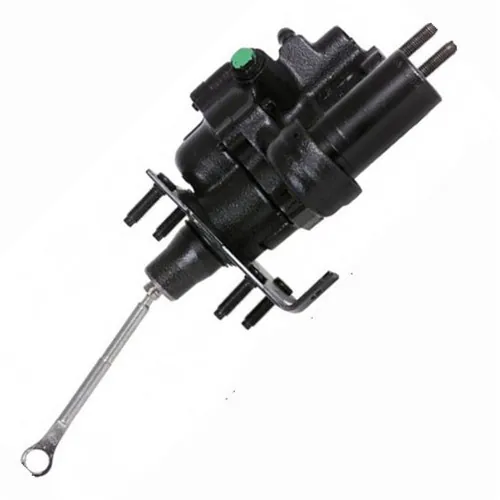
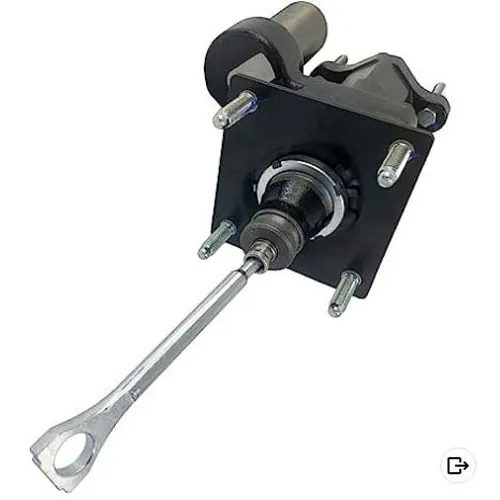
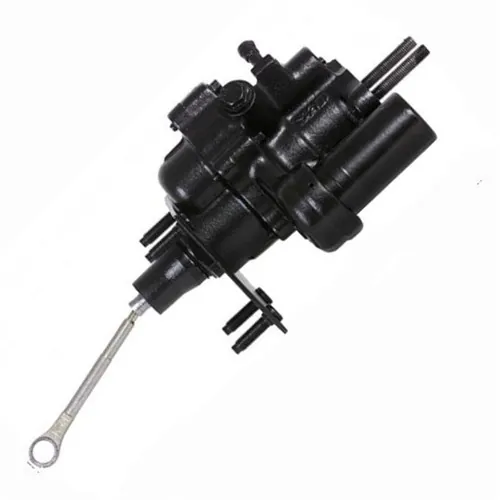
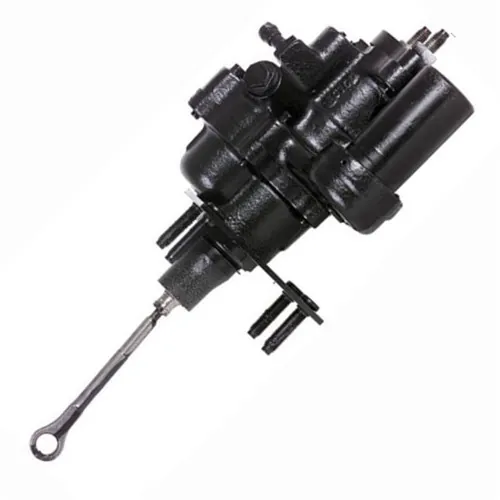
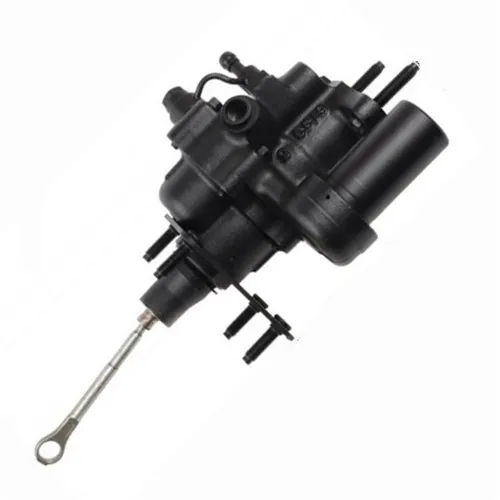
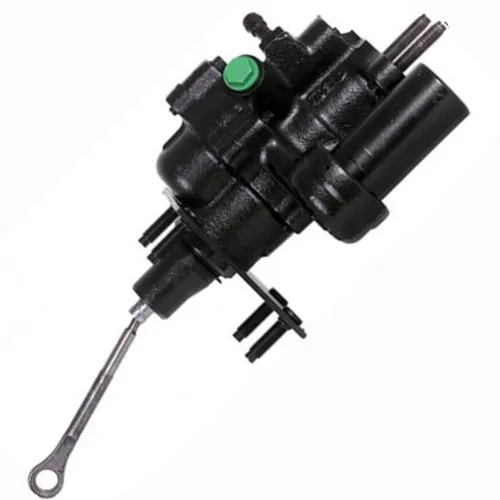
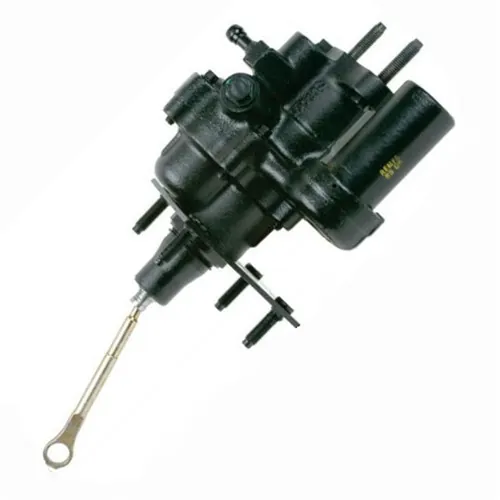
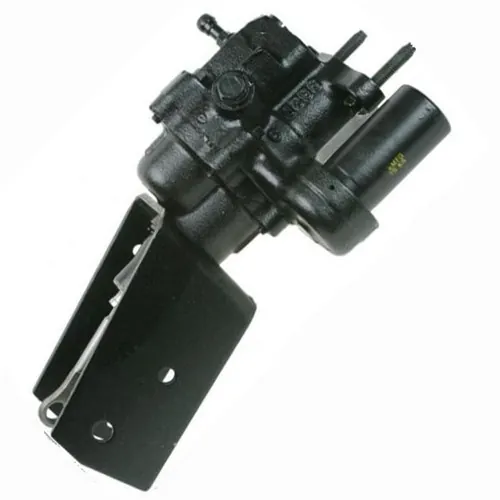
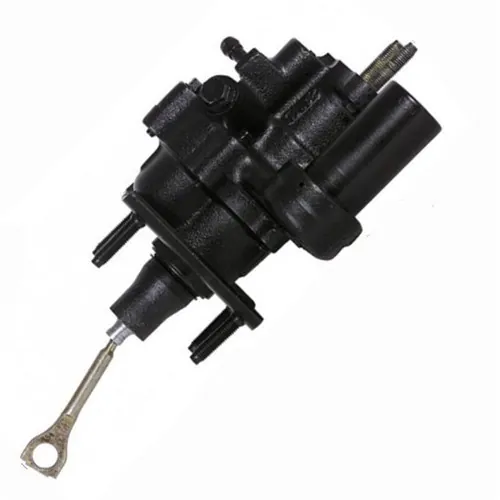
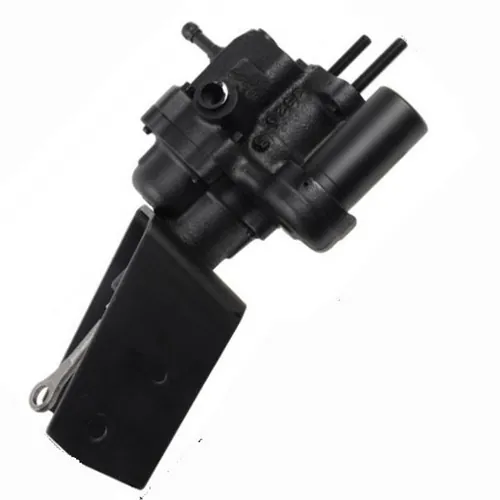
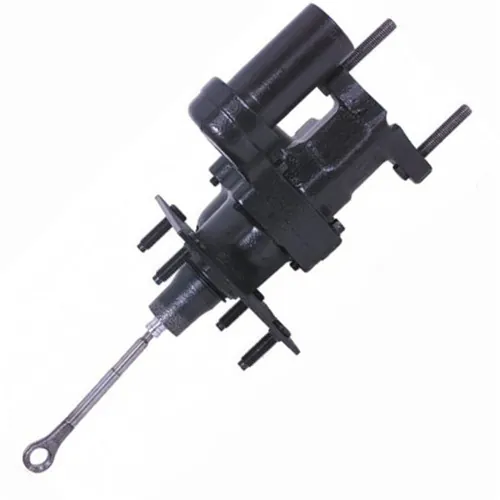
A hydraulic brake booster, also called a hydro-boost, is part of a vehicle's braking system. It is designed to make the brake pedal easier to press and the vehicle easier to stop. Instead of engine vacuum, it uses hydraulic pressure from the power steering pump or a separate hydraulic pump; that pressure amplifies the force the driver applies to the brake pedal. When the pedal is depressed, hydraulic pressure increases and raises the force applied to the master cylinder, which allows faster and more effective braking.
Compared with a vacuum brake booster:
- Power source: a vacuum booster uses vacuum from the engine; a hydraulic booster uses hydraulic pressure from the steering pump or a separate pump.
- Performance: hydraulic pressure is generally more consistent, giving a more consistent pedal feel and better brake response.
- Brake assist: a hydraulic booster can provide more assist, which is useful on heavy vehicles or vehicles with larger engines.
- Vacuum dependency: a hydraulic booster does not depend on engine vacuum, so a vacuum leak or low engine vacuum does not affect it.
Service note from the source material: a used hydro-boost is not a good rebuilding candidate. Its internal clearances are precision parts and one passage is sealed by metal-to-metal contact without rubber seals; wear increases clearance and can push dimensions out of tolerance and cause failure.