Welcome to Fiver Autoparts Co., Ltd — OEM & aftermarket brake and electrical systems

  1. Home
  2. Products
  3. Hydraulic Brake Booster / Hydroboost Units
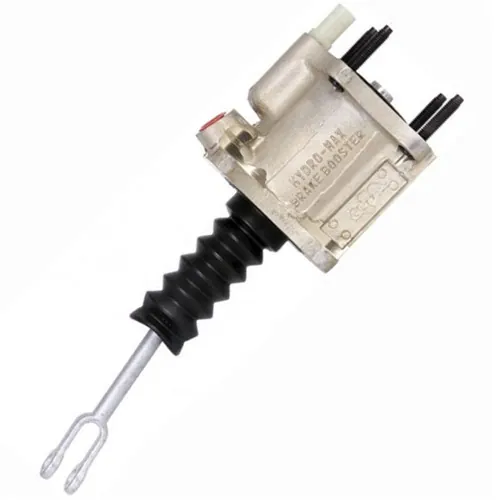
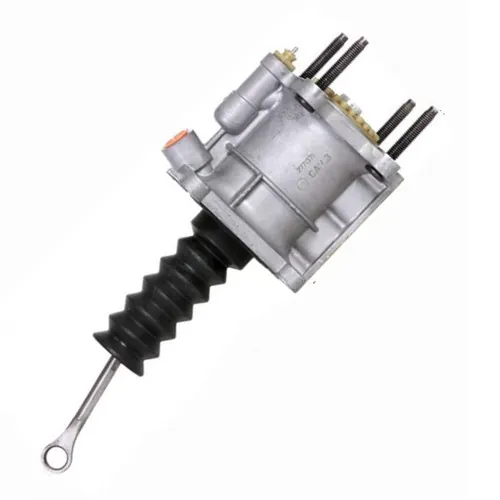
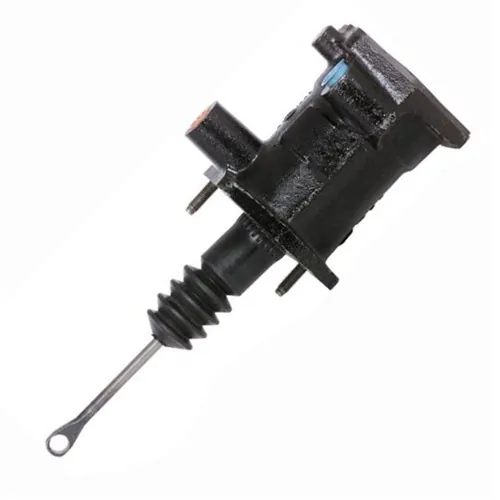
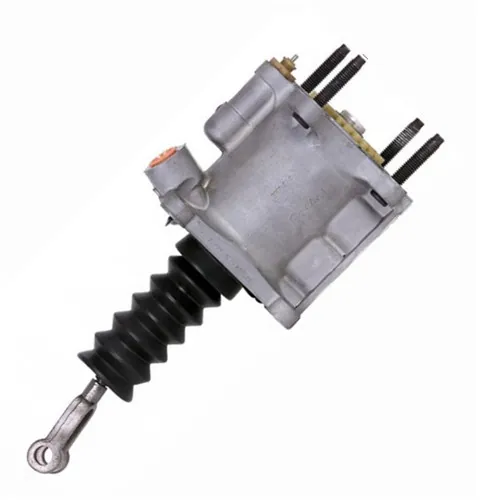
  4. Power brake booster 18005539 for Chevrolet B60

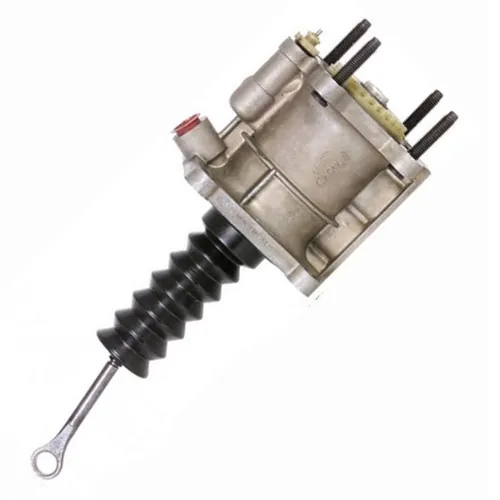
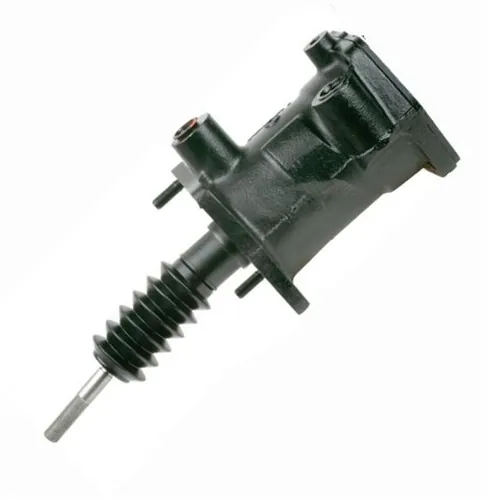
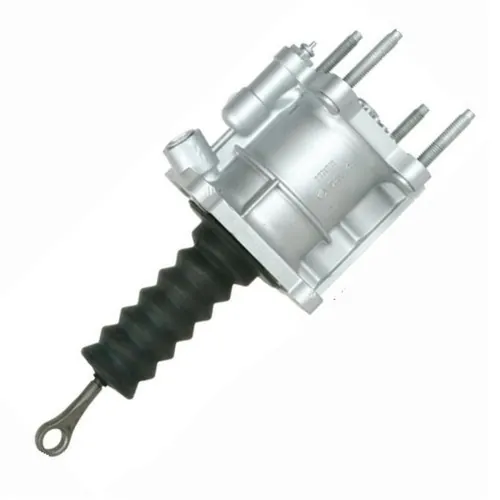
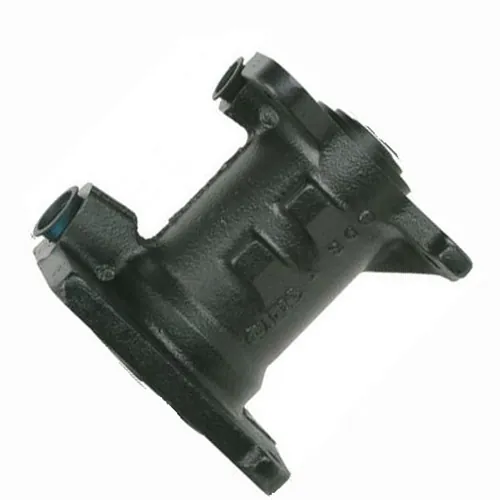
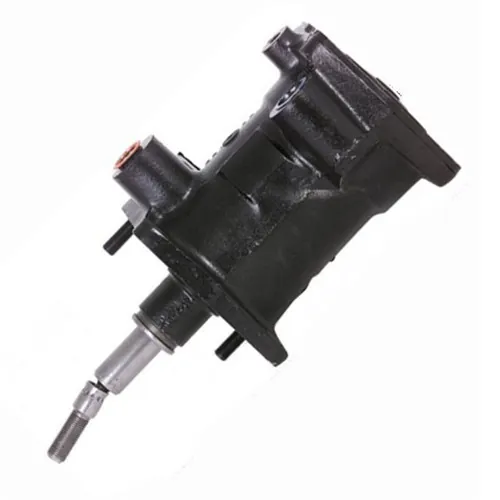
Power brake booster 18005539 for Chevrolet B60

Power brake booster 18005539 for Chevrolet B60

Hydraulic Brake Booster / Hydroboost Units

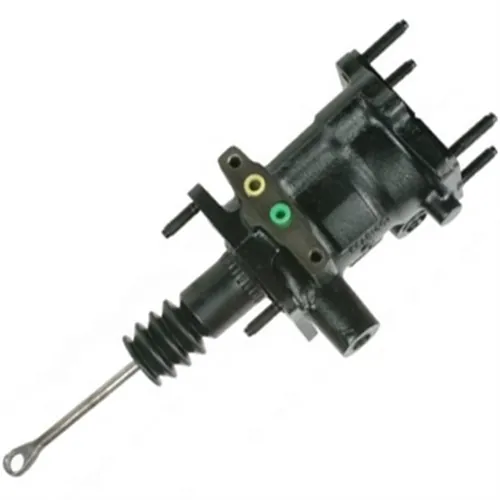
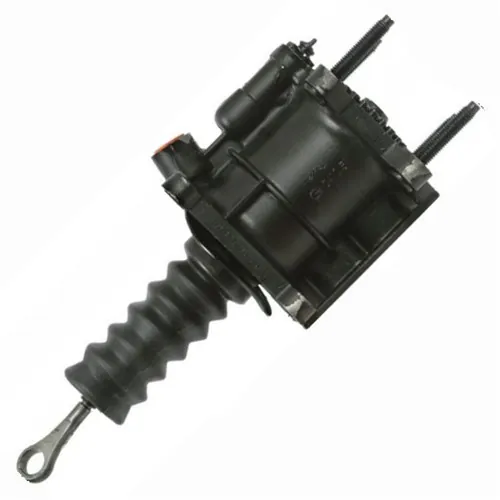
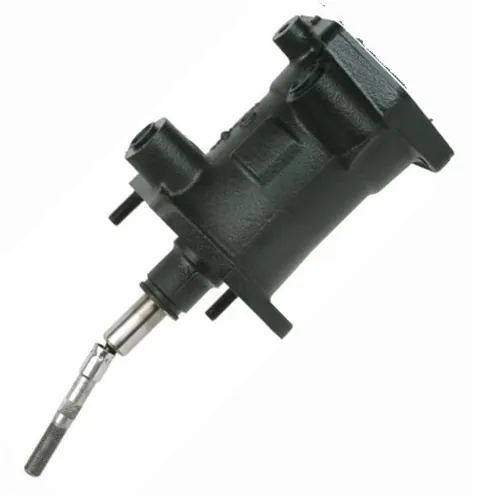
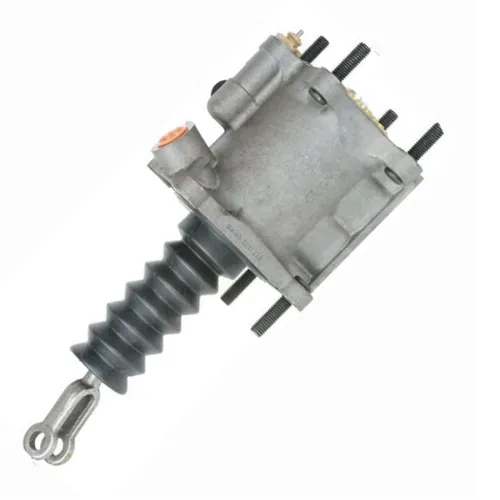
Power brake booster 18005539 for Chevrolet B60

OE Part No. 18005539
OE qualityStable supply
Part name
Hydraulic Brake Booster / Hydroboost Units
Part number
18005539
Application
Chevrolet B60
Category
Hydraulic Brake Booster / Hydroboost Units
ItemValue
Part nameHydraulic brake booster, Hydro-boost Units, Hydrobooster Frenos
Part number18005539
MakeModelYear
ChevroletB601980-1987
ChevroletC501980-1987
ChevroletC601980-1987
ChevroletC701980-1987
GMCB60001980-1987
GMCC50001980-1987
GMCC60001980-1987
International17241979-1984
International17541981-1987
International18241979-1984
International18541981-1987
International1924 S1979-1981
International19541979-1987
InternationalS17231980-1985
InternationalS17241980-1984
InternationalS17531984-1987
InternationalS17541981-1987
InternationalS18231980-1982
InternationalS18241980-1984
InternationalS18531981-1987
InternationalS1853FC1987
InternationalS18541981-1987
InternationalS19241980-1981
InternationalS19541981-1987

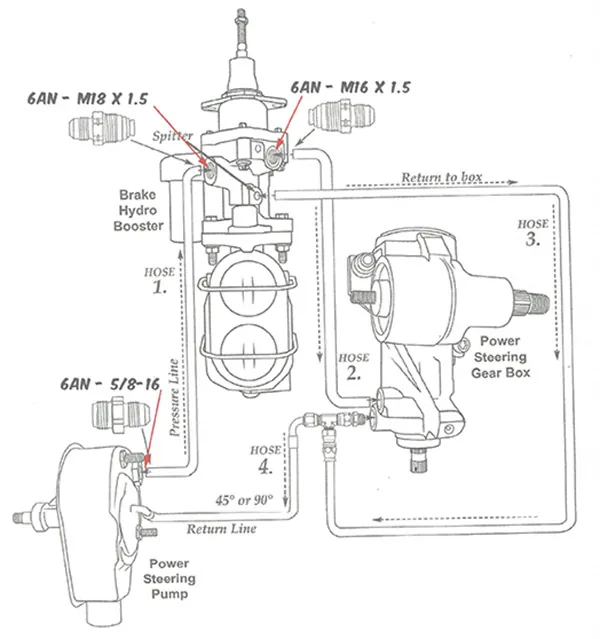
Hydro-boost system

Avoid remanufacturing or rebuilding a used hydro-boost: the internal construction is very precise, and one internal hole is sealed by two metal parts alone, with no rubber seals.
Brake parts

About hydraulic brake boosters (hydro-boost)

A hydraulic brake booster, also called a hydro-boost, is part of a vehicle's braking system. It is designed to make the brake pedal easier to press and the vehicle easier to stop. Instead of engine vacuum, it uses hydraulic pressure from the power steering pump or a separate hydraulic pump; that pressure amplifies the force the driver applies to the brake pedal. When the pedal is depressed, hydraulic pressure increases and raises the force applied to the master cylinder, which allows faster and more effective braking.

Compared with a vacuum brake booster:

  • Power source: a vacuum booster uses vacuum from the engine; a hydraulic booster uses hydraulic pressure from the steering pump or a separate pump.
  • Performance: hydraulic pressure is generally more consistent, giving a more consistent pedal feel and better brake response.
  • Brake assist: a hydraulic booster can provide more assist, which is useful on heavy vehicles or vehicles with larger engines.
  • Vacuum dependency: a hydraulic booster does not depend on engine vacuum, so a vacuum leak or low engine vacuum does not affect it.

Service note from the source material: a used hydro-boost is not a good rebuilding candidate. Its internal clearances are precision parts and one passage is sealed by metal-to-metal contact without rubber seals; wear increases clearance and can push dimensions out of tolerance and cause failure.

Related Products